Staying safe around rivers & lakes
It’s tempting when you’re out in the countryside or backcountry to take a quick dip to cool off. After all, what could be more wholesome? Picnic by a lake, quick dip, and dry off in the sunshine before heading home? Whether it’s adults wild swimming for sport or kids simply splashing about with their mates, there are a few precautions that should be taken to stay safe.

Before you take the plunge
Rivers, lakes, and reservoirs all carry risks that aren't always obvious. Key precautions include:
- Check water quality if possible. Heavy rain can wash sewage, agricultural runoff, and other contaminants into rivers and coastal waters. A warm spell can encourage bacterial growth. Local governments usually issue warnings about specific bodies of water, so check online for any alerts before you head out.
- Never go into water that looks green, scummy, foamy or foul-smelling
- Stay hydrated. Always assume the water is unsafe to drink and take drinking water with you or use a portable water purifier. It’s easy not to drink seawater - it’s much harder to remember that river water can be just as bad for you.
- Research the location and look for local advice on currents, hazards, access points, and recent incidents.
- Never swim alone. Go with a friend and let someone know exactly where you're going and when you expect to return. Children should ALWAYS be supervised, even if they are competent swimmers or the water is shallow.
- Check the weather forecast. Conditions can change quickly, especially near the coast or up in hills and mountains.
Watch for Hidden Hazards
- Strong currents, undertows, and changing river flows.
- Submerged rocks, branches, shopping trolleys, fishing lines, or debris.
- River and pond weed can get tangled, pulling you under, and reeds have sharp leaves that can cause nasty cuts
- Sudden drop-offs and deep water.
- Boat traffic and anglers (including fishing lines and hooks that may have been left behind).
Protect Yourself from Illness
Natural water is likely to contain bacteria, viruses, and parasites. They come from the wildlife and farm animals that live in around the water, from nearby towns and villages and from industrial activity. It’s almost impossible to avoid – even in remote locations.
- Do not swallow the water. Only drink what you brought with you or water that has been purified
- Cover cuts and grazes with waterproof dressings.
- Shower and wash your hands after swimming if possible. If you’re out for the day, use hand sanitiser after coming into contact with the water.
- Don’t go swimming if you've recently had a stomach illness or have a weakened immune system.
- Don’t go in the water for a few days after heavy rainfall when contamination levels may be higher.

Be Aware of Cold Water Shock
Even in summer, wild waters can be surprisingly cold. Enter the water gradually, giving your body time to adjust. Never jump straight in unless you know the depth and hazards below. If you experience gasping, hyperventilation, or panic, float on your back until your breathing settles.
Use the Right Equipment
- Wear a brightly coloured swim cap or clothing so you're visible.
- Wear a tow float for visibility and emergency buoyancy.
- Use a wetsuit if the water is cold or you'll be swimming for an extended period.
- Wear water shoes where rocks, mud, or sharp objects are present.
Know What to Do in an Emergency
If you get into trouble:
- Stay calm and try to float.
- Roll onto your back and control your breathing.
- Signal for help if needed.
Special Considerations for Rivers
Many people underestimate rivers:
- Water may look calm but can have powerful currents below the surface.
- Floodwater and post-rain conditions can dramatically increase flow speed.
- Upstream pollution incidents can affect water quality unexpectedly.
For anyone planning regular wild swimming, it's worth checking local groups such as the UK’s Outdoor Swimming Society, which often provide location-specific safety advice and water quality information.

Children and water
Kids love water and should be encouraged to explore the natural world. Examining bugs, fishing for tadpoles, building mud dams and seeing who can throw pebbles the furthest are all part of growing up.
When it comes to keeping your children safe, teach them how to swim as soon as possible. Wherever you live, it's an essential life skill. Teach them how to spot swimming hazards and what the risks might be. Keep an eye on them at all times. And teach them not to drink pond, river or lake water without using a purifier first; or make sure they have a drink with them.
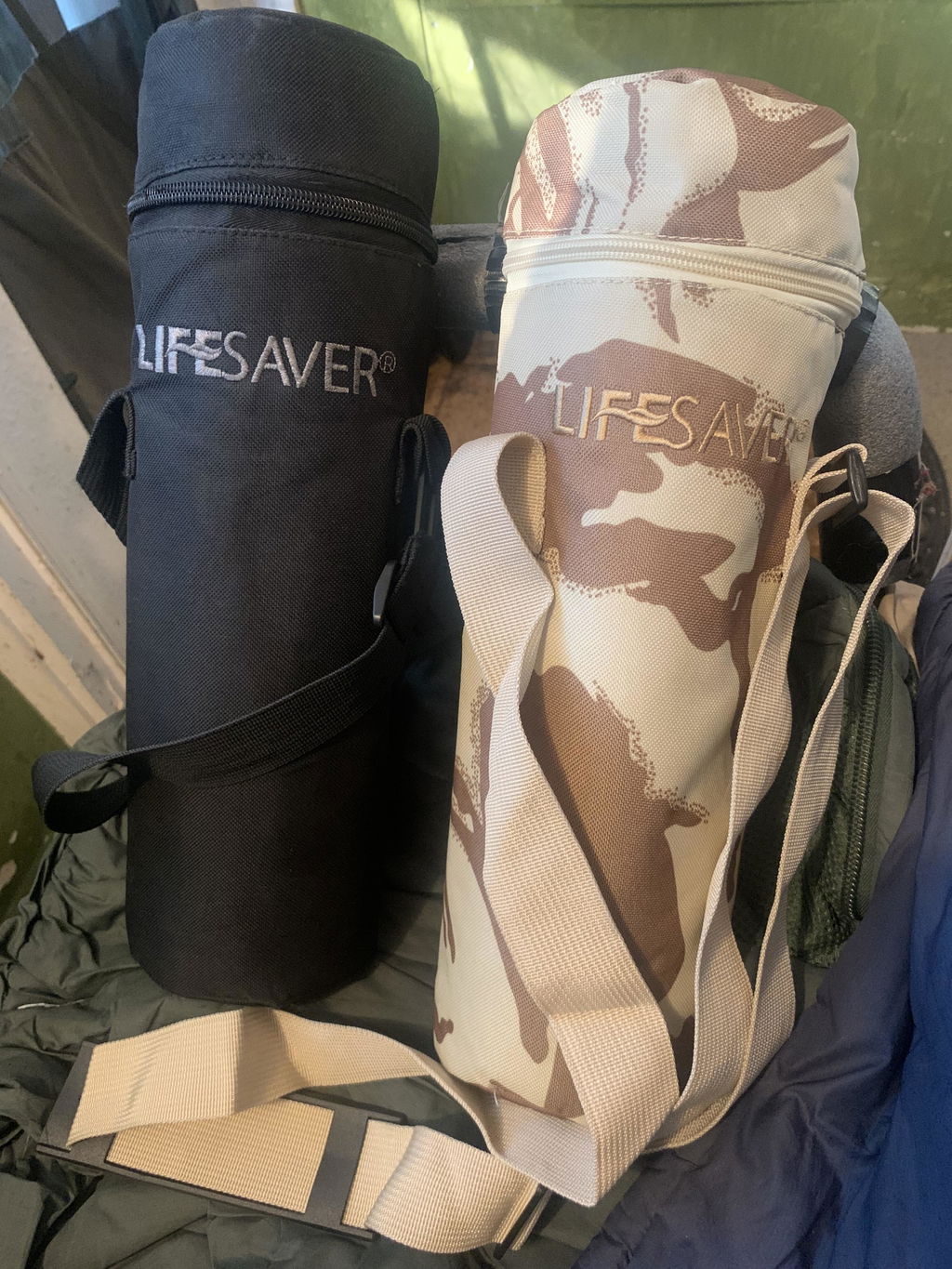
If you’d like to know more about how a LifeSaver Water Purifier can keep you and your family safe whilst out and about, please get in touch.